Aspire
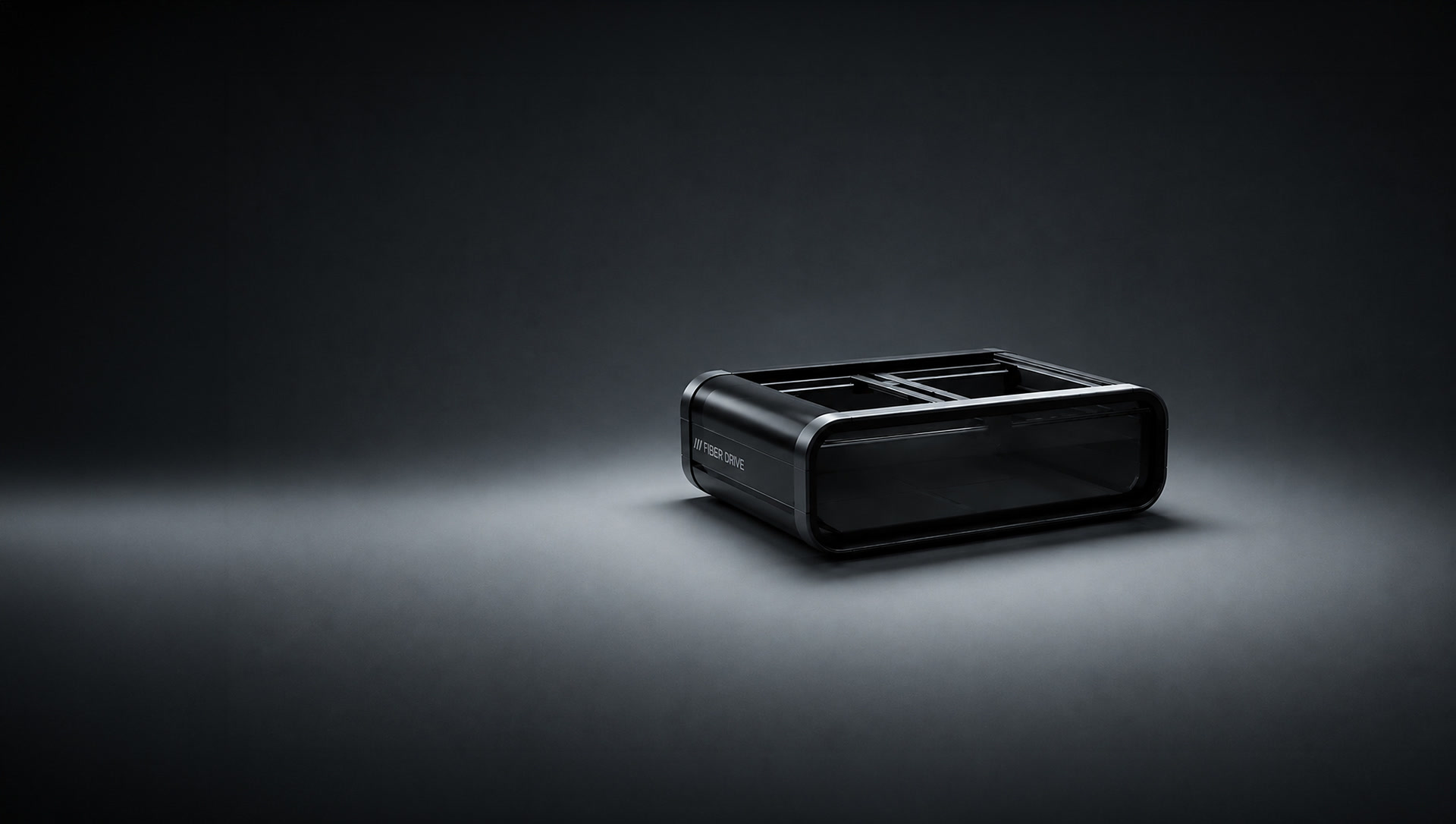
Fiber Drive – ASPIRE’s core technology
The first large-scale, first-time-right additive manufacturing technology for continuous-fibre battery pack structures.
01 — Material
By printing directly with continuous glass-fibre thermoplastics, Fiber Drive creates structures that are tough, lightweight, and built for the demands of electric mobility — no compromises between strength and weight.
02 — Scale
Within ASPIRE, this breakthrough is being scaled to produce full-size battery pack structures for electric vehicles, engineered from the ground up for performance and durability.
03 — Impact
The result? A manufacturing leap that goes far beyond EVs — with the potential to reshape industries from automotive to aerospace.

Monolithic 3D Printing at Scale
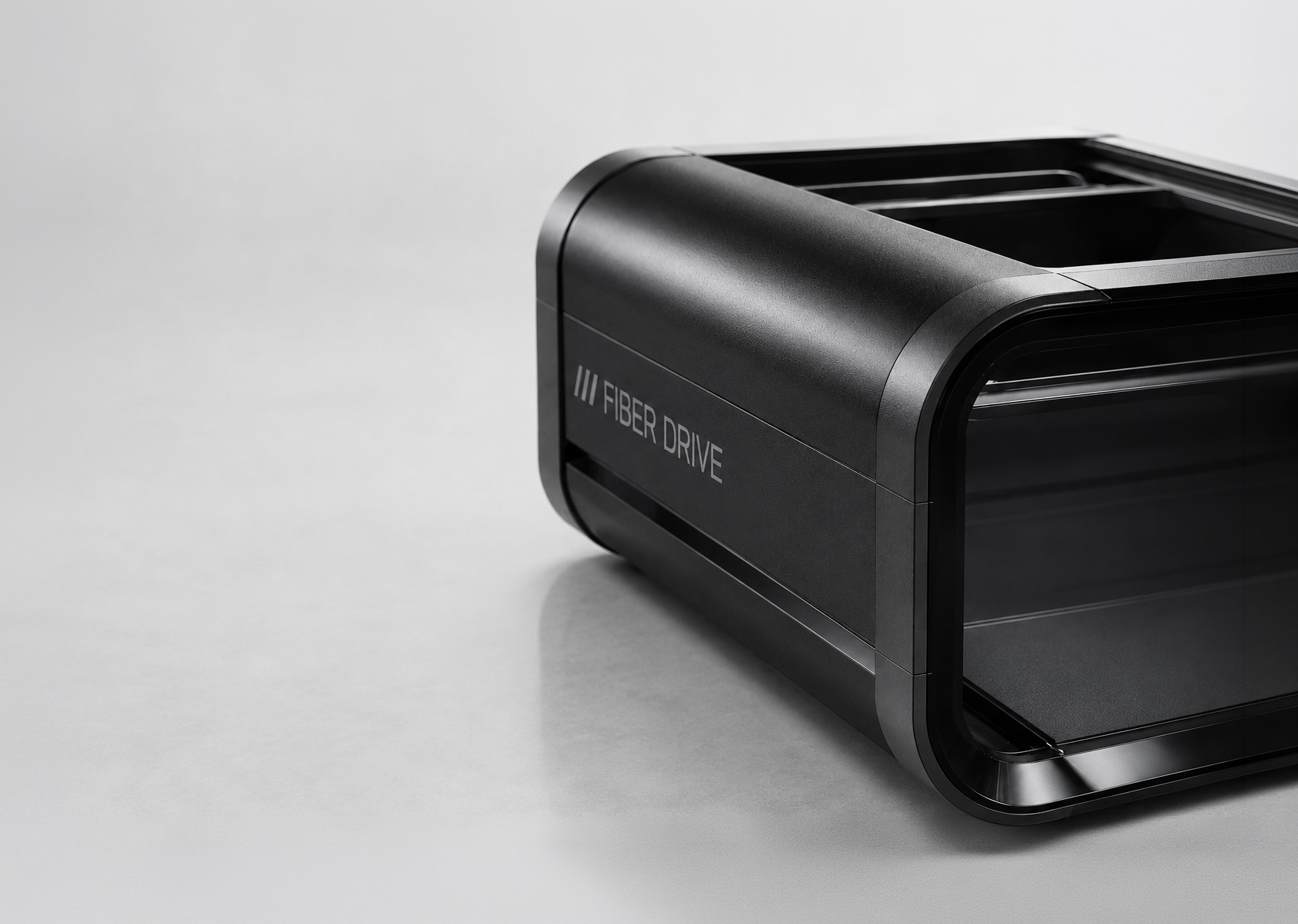
Fiber Drive combines purpose-built slicer software with 6-axis, metre-scale 3D-printing hardware to deposit continuous glass-fibre thermoplastic in a single monolithic build — eliminating the need for multiple components.
The result: high-quality, certifiable parts, produced at scale, with minimal waste and virtually no trial-and-error.
Statistics and facts
The impact, by the numbers
- 0122 kilograms per hour
Industrial build rates — printing at production speed
- 0250 percent
Lighter than aluminium housings — without compromising strength
- 031.33 billion kilograms
CO₂ saved at scale — lighter parts, lower footprint
- 0412 percent
More range per 100 km — less weight, more performance
- 0530 percent
Lower CAPEX — smarter manufacturing, leaner investment
- 06From 2 years to 3 months
Design-to-production, radically accelerated
A consortium building every layer of the pack.
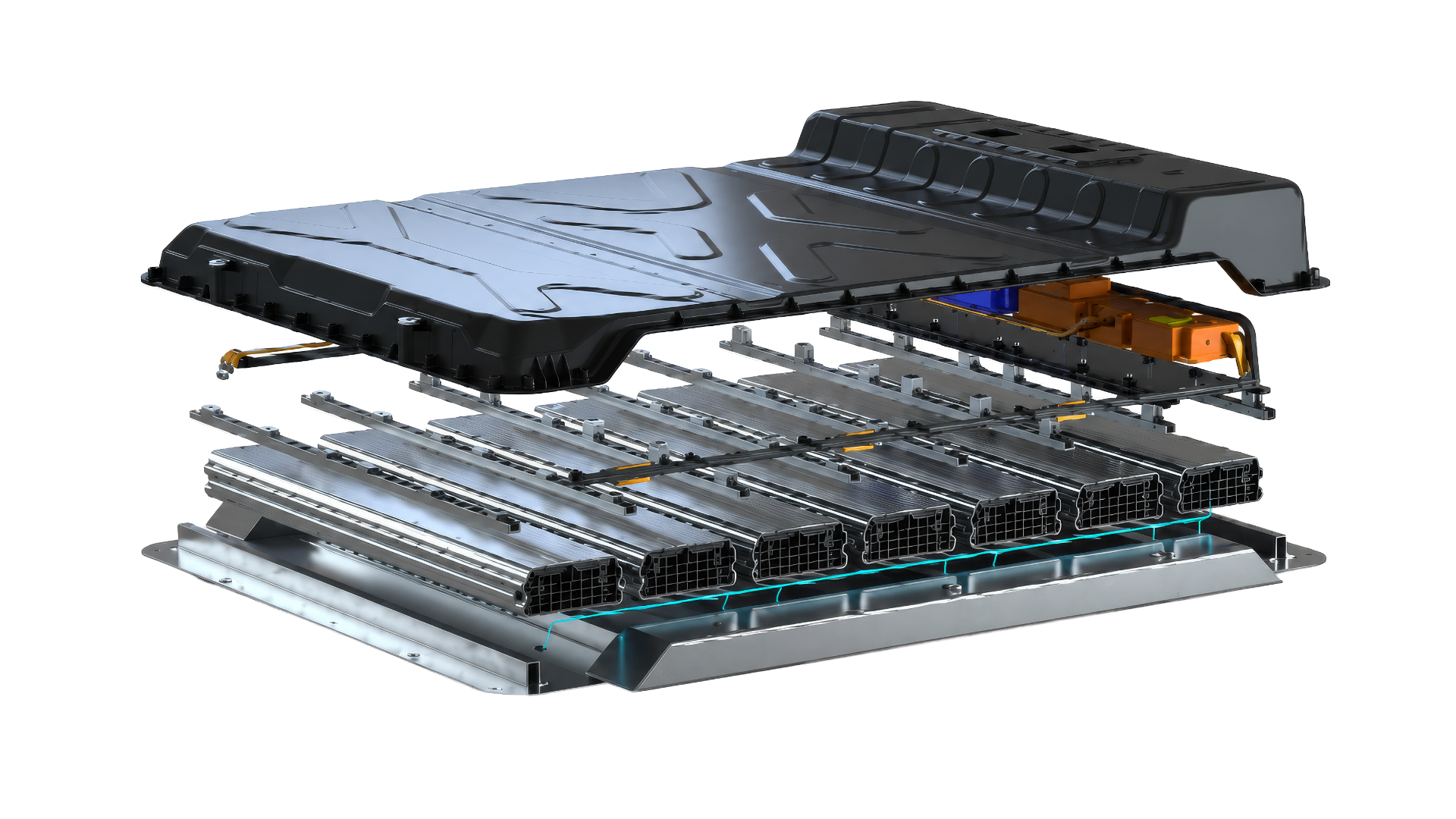
By applying Fiber Drive, full-scale battery-pack housings can be printed directly from computer-aided engineering (CAE) data, eliminating the need for hard tooling. This will deliver the first-ever validation of cross-OEM reconfigurability — proving that a single scalable design approach can generate battery pack structures for multiple vehicle types, at reduced cost, footprint, and lead time.